
About The Therapist Behind Ka Shin
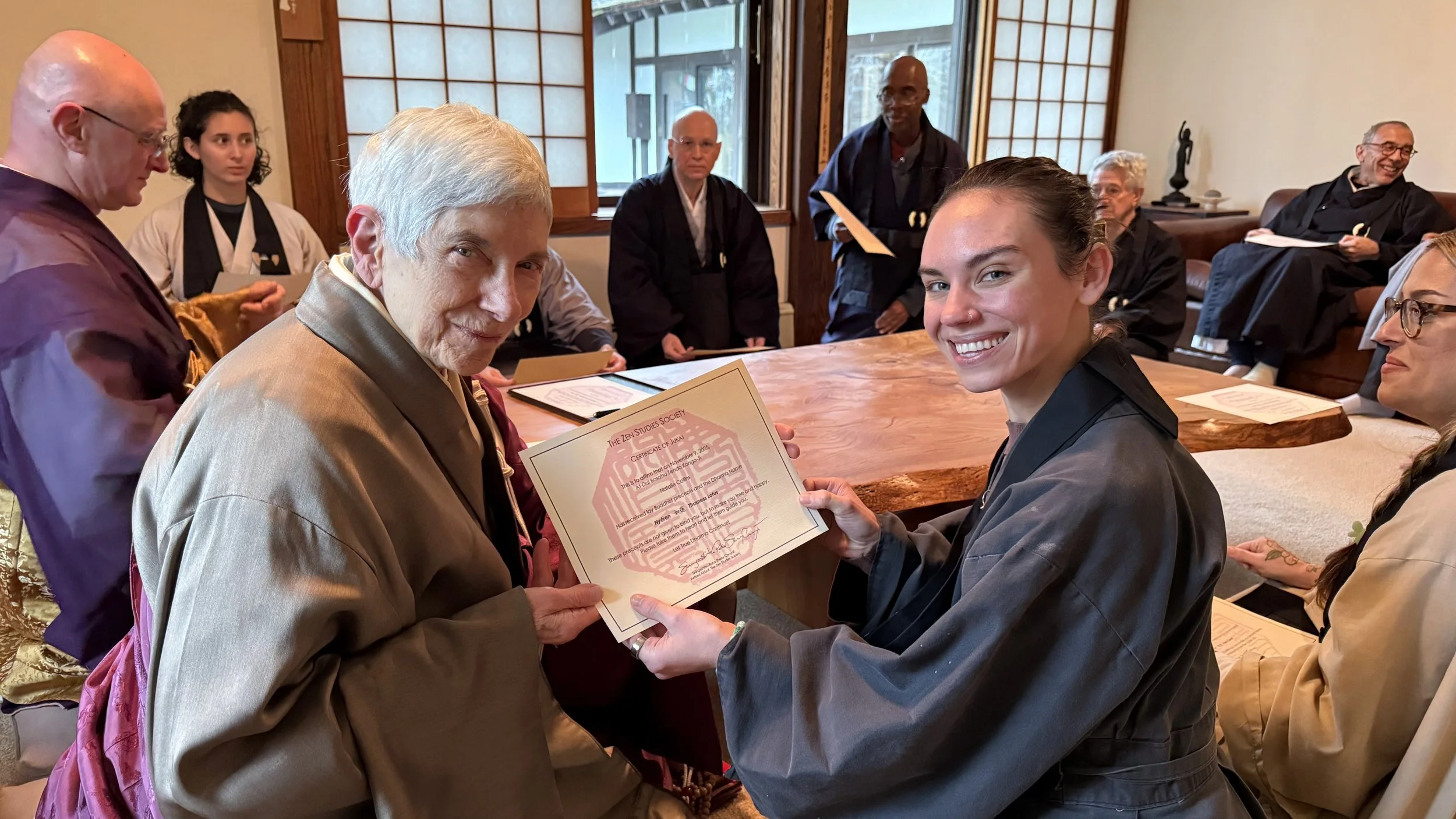
Hello, I’m Natalie, though in my Zen sangha I’m known as Nyoren. In Zen, when a student receives the precepts, a teacher bestows a dharma name that reflects a person’s true nature and commitment to practice. My name—Nyo (Suchness) and Ren (Lotus)—speaks to my dedication to upholding the precepts, honoring my dharma lineage, and embodying the bodhisattva path in my own way.
There is a Zen expression I love, “no mud, no lotus.” It points to the truth that within difficulty and suffering, there is also the potential for transformation and growth towards greater understanding, peace, compassion, and freedom.
I share this because this deeply shapes how I am as a therapist. I believe there is a wise part of you seeking fuller expression. Even in the midst of painful circumstances, there is something in you that is reaching towards freedom. I wonder if, perhaps, that is what brought you here. My work is to help cultivate the conditions that allow you to reconnect with that inner wisdom and begin relating to yourself with greater clarity, compassion, and freedom. As you deepen your connection to this wisdom, it can guide this healing process. Through practice, we can gently loosen and transform patterns that perpetuate suffering and create space for more authenticity, vitality and ease.
Natalie M. NyoRen Collins, LCSW-C
Clinical Training & Experience
An important Buddhist teaching is skillful means. To me, that includes a lifelong commitment to learning so I can respond thoughtfully to the unique needs of each person I work with. Alongside my Zen practice and contemplative training, I have pursued advanced education in evidence-based psychotherapy and continue to engage in ongoing consultation and professional development. These experiences support my ability to integrate clinical rigor with compassionate, individualized care.
Licensure & Education
Licensed Clinical Social Worker – Clinical (LCSW-C), Maryland
Licensed Independent Clinical Social Worker (LICSW), Washington, DC
Master of Social Work (Clinical Behavioral Health), University of Maryland School of Social Work
Advanced Clinical Training
Acceptance and Commitment Therapy (ACT) Bootcamp with Steven C. Hayes, PhD
Ongoing ACT consultation with ACBS Peer Reviewed ACT Trainer, Miranda Morris, PhD
Intensive Training in DBT Prolonged Exposure (DBT-PE) with Dr. Melanie Harned PhD, developer of DBT-PE
Participated in small group consultation for DBT-PE clinicians led by DBT-PE Trainer, Annie McCall
Trained in Comprehensive Dialectical Behavior Therapy (DBT) from a DBT-Linehan Board Certified Program™
Exposure-based treatment for PTSD, anxiety OCD
Mindfulness & Contemplative Training
Insight into Mindfulness Training, Harvard Divinity School
Two-Year Mindfulness Meditation Teacher Certification Program with Jack Kornfield and Tara Brach
Lay- Ordained with Rinzai Zen Lineage and and Ongoing participation in Zen Sesshin
Embodiment Practices
Registered Yoga Teacher (RYT-200)
Registered Children's Yoga Teacher (RCYT-95)
Trauma-Informed Yoga Certification
Developed and implemented trauma-informed yoga programming within outpatient treatment settings
While psychotherapy is at the heart of my work, it is one part of a broader commitment to cultivating healing, awareness, and connection. Through writing, teaching, workshops, and community offerings, I hope to create additional spaces for reflection, learning, and practice. If you'd like to learn more, I invite you to explore my offerings.
The Meaning Behind Ka Shin
Ka Shin in Japanese kanji translates to "transformation of heart and mind."
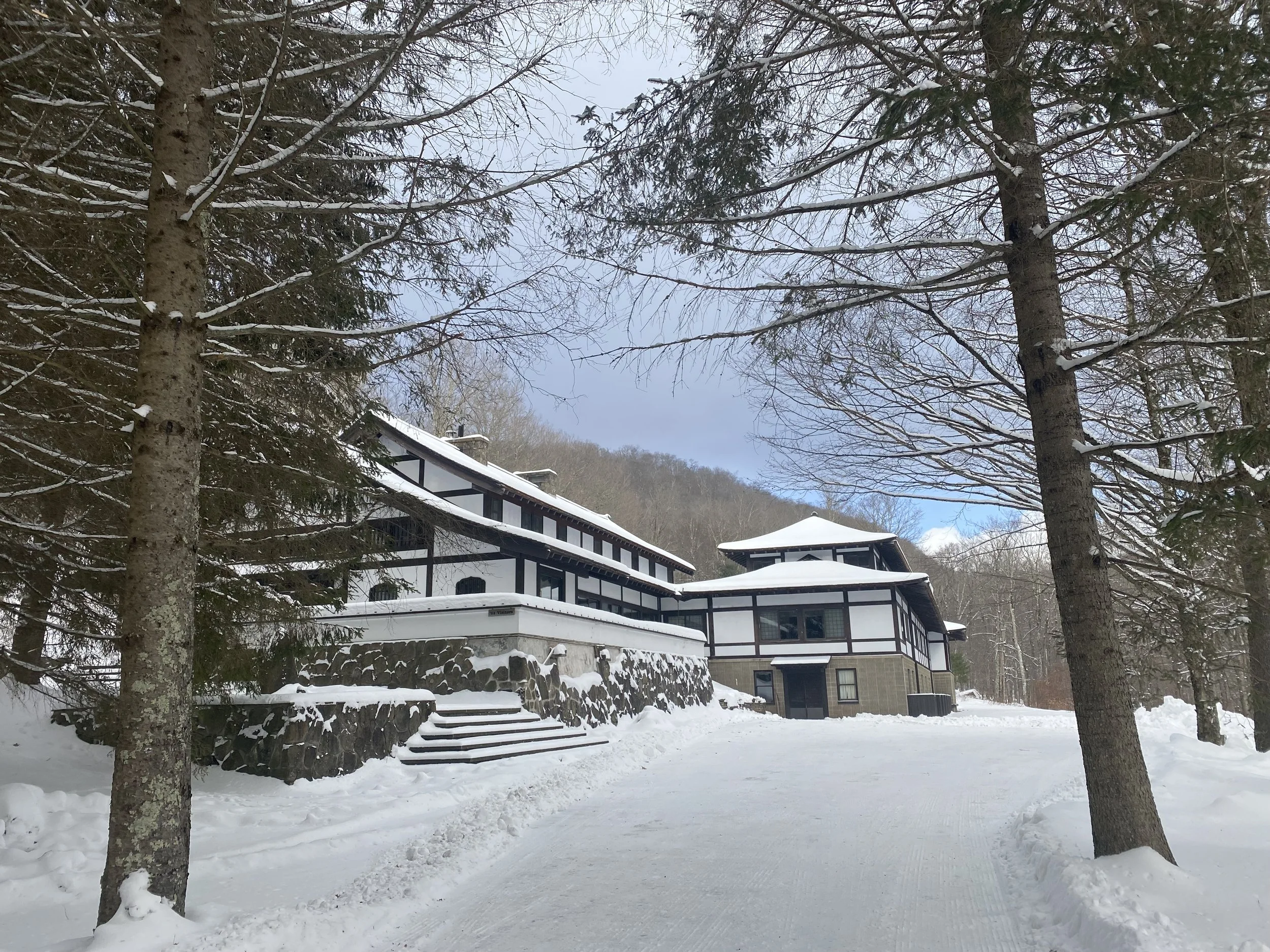
The name carries deep personal significance. My parents met at a Zen monastery, where they were both living and practicing intensely. During that time, my father also helped establish a zendo in Washington, D.C., and the Roshi gave it the name Ka Shin. After my father passed away, I returned to the monastery where my parents first met, seeking refuge during a time of loss. Zen practice felt like coming home. Before long, I, too, was living and practicing there, following a path my parents had each walked years before. Choosing this name for my practice became a way of honoring both that lineage and the values that continue to guide my life and work.
While my clinical work is grounded in contemporary, evidence-based psychotherapy, the spirit of Ka Shin reflects something broader: the belief that healing is not simply about reducing symptoms, but about cultivating a different way of relating to ourselves, to others, and to the lives we are living.
Transformation of heart and mind is not a destination, but an ongoing practice of meeting our experience fully.
Reach Out
Kindly provide your information and I will follow up with you shortly to schedule a brief consultation call to explore the possibility of working together.